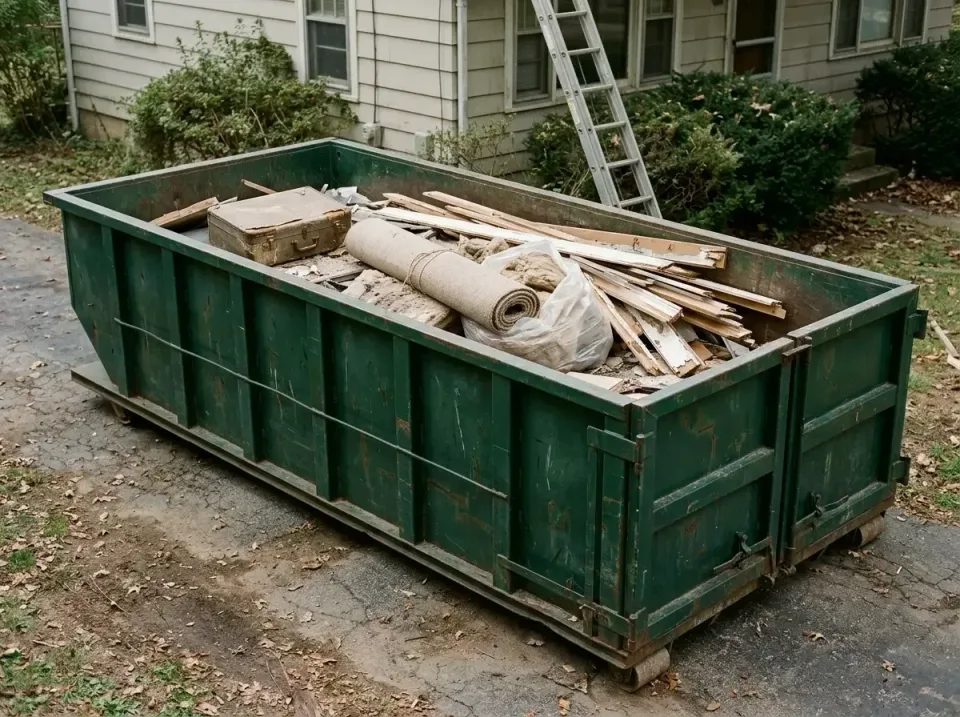
Roll-Off Dumpster Rental
Roll-off dumpsters handle renovation and construction debris for Lexington homeowners and contractors; a 20-yard rental runs $350–$650, with debris weight and delivery distance affecting cost.
After a storm, wet insulation and scattered branches need prompt, careful handling; separate recyclable items from mixed debris before choosing disposal. In Lexington, spring thunderstorms can leave yard debris and soaked building materials that a routine pickup may not accept. At USA Dumpster Bins, we help customers plan a local trash removal service around the actual mix of waste, rather than treating every load as recyclable.
Keep wet insulation apart: Bag or contain it so moisture and loose fibers do not spread through the cleanup area.
Sort recyclable items: Single-stream recycling may accept certain clean recyclables together, but storm-damaged mixed debris usually needs a different disposal route.
Plan yard debris hauling: Gather branches and leaves separately; combining them with construction waste can limit disposal choices.
Check the pickup plan: Tell the hauler what materials are present before arranging collection.
The Kentucky Theatre is a familiar Lexington landmark, but storm cleanup starts at home: identify materials, then request a disposal plan.
Wet insulation can often be managed with storm cleanup waste, but first confirm that the container provider accepts it and explain whether it is loose, bagged, or mixed with other materials. A construction debris container gives renovation and storm waste one contained collection point; it does not mean every material belongs in the same load. Keep insulation separate from items you intend to recycle, and do not load material that may contain hazardous substances until you have checked the disposal instructions.
That distinction matters. Lexington’s spring thunderstorms can affect homes with crawlspace foundations, where water intrusion may leave insulation damp and difficult to handle. We ask what is going into the container before arranging service, so customers can avoid a rejected load. If storm damage has also left bulky items in the way, mention them when discussing the plan.
A hand truck helps move appliances and other bulky items without dragging them across floors or lifting them awkwardly. Secure the item before moving it, keep the route clear, and ask for help with unstable or unusually heavy objects. Do not assume a heavy appliance can simply be placed on top of soft insulation or loose storm waste; it can crush lighter material and make the load harder to sort.
Our crew treats safe handling as part of a practical rubbish removal service, not an afterthought. A hand truck can reduce strain during the move, but it does not replace a clear path or careful loading.
Historic homes near the Kentucky Theatre may have tight access, so describe the approach and bulky items before scheduling. If moving them is unsafe, leave them in place and ask about a collection option.
Separate material by type and keep a clear record of what went into the load. That makes debris disposal easier to plan and helps the customer avoid mixing items that may have different acceptance rules.
For example, keep wet insulation contained apart from recoverable material and note any unusual debris before the hauler arrives. A landfill may have acceptance limits; ask where the load will go and whether the identified materials are allowed.
This step can save a second handling effort. In Lexington, a newer suburban subdivision may offer easier vehicle access than a narrow work area, but the disposal plan still depends on the debris itself.
We coordinate the container and haul-away details around the material description. If the waste is substantial or the cleanup area remains obstructed, contact our team with a short inventory before booking.
For a customer, Global Environmental Standards Alignment means asking how a cleanup plan handles sorting, transport, and disposal rather than assuming one rule covers every location. Storm waste is generated locally, and disposal requirements can differ by jurisdiction and material. Ask the provider to explain what can be combined, what must remain separate, and which disposal route applies to your load.
The Kentucky Energy and Environment Cabinet is a useful state reference for environmental requirements; it does not replace checking the specific instructions for your waste. We explain the material and service plan before scheduling, and our USA Dumpster Bins service team can help you prepare a clear list. If a label, product history, or visible contamination raises a safety concern, pause loading and seek appropriate guidance before disposal.
The right option depends on how much material is wet, bulky, or suitable for recovery. Waste removal by container lets you load at your pace, while a crew-based collection may suit items you cannot safely move yourself.
Ask how delivery works and describe access conditions before arranging a pickup. Dempster is a recognized name in waste equipment, but the specific container and service terms matter more than a label.
Driveway protection boards can help protect a surface when container placement is appropriate; ask whether site conditions call for them. Disposal fees may reflect the destination and type of waste, so confirm what the quoted service includes.
| Option | Best for | Key detail |
|---|---|---|
| Residential roll-off rental | Household storm cleanup | Self-loading gives you control over sorting and pace. |
| Construction debris dumpster | Mixed renovation material | Confirm accepted items before loading. |
| Yard waste dumpster | Branches and storm-pruned vegetation | Keep yard debris apart from wet insulation. |
| Property cleanout container | Bulky household items | Consider safe moving and access needs. |
A workable delivery plan starts with clear access and an honest description of the debris. Jobsite Delivery Scheduling means coordinating arrival around site readiness, so arrange the location before the truck is dispatched.
Landfill tipping fees and disposal charges can be affected by the material accepted at the destination; ask how the quoted plan accounts for your load. We can also discuss multilingual rental support if another language would make the instructions clearer.
Describe the waste: Identify wet insulation, branches, and bulky items before requesting service.
Set the schedule: Confirm a practical delivery and collection plan for the cleanup site.
Clear access: Move vehicles and obstacles away from the intended work area.
Sort materials: Keep recoverable items separate from mixed storm waste.
Check loading safety: Do not lift or move an unstable appliance alone.
Ask about weight: An overweight charge may apply if the load exceeds the provider’s allowance; clarify the limits before loading.
Keep the wet insulation apart where possible, because mixed recyclable materials may not be recoverable once contaminated by damp building waste. Recycling and waste sorting starts with identifying which items are clean and eligible; ask the hauler about the accepted load before collection.
A 20-yard rental is listed at $350–$650, with debris weight and delivery distance affecting the estimate; rental periods commonly run seven to fourteen days. Additional days may bring extension fees, so share the expected cleanup duration and material mix when asking USA Dumpster Bins for a quote.
Yes, consider professional hauling when branches, soaked insulation, or heavy household items block safe access or exceed what you can move safely. Professional Hauling Standards are relevant to how a provider handles collection; describe the obstruction and ask about the planned service before booking.
Yes, street placement requires checking the Lexington-Fayette right-of-way permit for street placement before the container is delivered. Kentucky Revised Statutes Chapter 224 addresses solid waste, and Kentucky Administrative Regulations 401 KAR Chapter 47 is another relevant state reference.
Yes, if the provider confirms the materials are accepted together; residential remodeling waste can include items that need separate handling from wet insulation or recyclable contents. A Residential Dumpster Rental may help contain renovation debris, and USA Dumpster Bins can review the material list before you arrange collection.
Storm cleanup is easier to manage when wet insulation, recyclable material, and bulky debris are identified before collection. In Lexington, the Kentucky Theatre is a local landmark, while spring storms are a practical reminder to plan for changing cleanup needs.
A quote should make the rental price and included service clear; ask whether recycling options are available for clean, eligible items. For larger or coordinated projects, Municipal Procurement Coordination may help align collection with an organization’s purchasing process.
Scheduled hauling and a confirmed pickup plan help keep waste from lingering at the property. Tell us what was damaged and where the material is staged. Call USA Dumpster Bins at (844) 606-1601 to discuss the next step.
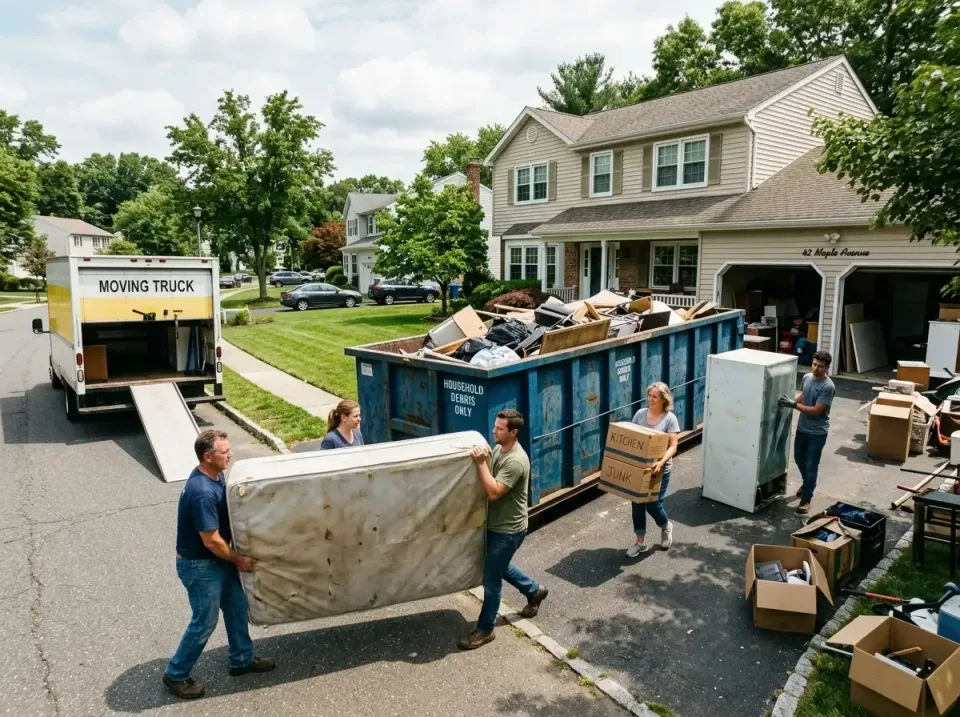
Keep the wet insulation apart where possible, because mixed recyclable materials may not be recoverable once contaminated by damp building waste. Recycling and waste sorting starts with identifying which items are clean and eligible; ask the hauler about the accepted load before collection.
A 20-yard rental is listed at $350–$650, with debris weight and delivery distance affecting the estimate; rental periods commonly run seven to fourteen days. Additional days may bring extension fees, so share the expected cleanup duration and material mix when asking USA Dumpster Bins for a quote.
Yes, consider professional hauling when branches, soaked insulation, or heavy household items block safe access or exceed what you can move safely. Professional Hauling Standards are relevant to how a provider handles collection; describe the obstruction and ask about the planned service before booking.
Yes, street placement requires checking the Lexington-Fayette right-of-way permit for street placement before the container is delivered. Kentucky Revised Statutes Chapter 224 addresses solid waste, and Kentucky Administrative Regulations 401 KAR Chapter 47 is another relevant state reference.
Yes, if the provider confirms the materials are accepted together; residential remodeling waste can include items that need separate handling from wet insulation or recyclable contents. A Residential Dumpster Rental may help contain renovation debris, and USA Dumpster Bins can review the material list before you arrange collection.
Browse all nationwide service options and choose the right fit for your project.
Roll-off dumpsters handle renovation and construction debris for Lexington homeowners and contractors; a 20-yard rental runs $350–$650, with debris weight and delivery distance affecting cost.
Homeowners and property managers use residential dumpsters for household cleanouts and renovation debris; a 20-yard rental typically costs $350–$650, depending on debris weight and delivery distance.
Bulk waste containers handle household discards and bulky items; concrete loads often run $300–$700, depending on heavy-material limits.
Roll-off containers give Lexington homeowners and contractors an open-top option for mixed job debris; typical pricing depends on container size, weight, and rental days.
Emergency dumpster rentals handle urgent household or job-site debris in open-top containers; typical costs depend on debris type, weight, access, and rental days. Typical average: $375.
Debris removal disposal clears mixed job-site waste for homeowners and contractors; final cost depends on debris type, weight, access, and rental time. Typical average: $375.
Roofing crews and homeowners can load tear-off shingles into a roofing dumpster; typical rentals run $350–$750, driven by shingle weight and haul distance.
Demolition bins handle contractor and homeowner tear-outs, including heavy concrete; typical concrete dumpster pricing is $300–$700, shaped by weight limits.
Yard waste dumpsters handle branches, leaves, and storm debris for Lexington homeowners; typical rentals run $300–$600, depending on debris volume and rental days.
Industrial sites can rent containers for mixed debris and scheduled haul-away; typical projects run about $450–$900, with weight and access affecting cost.
Concrete debris dumpsters take broken slabs and masonry from home or contractor projects; typical rentals run $300–$700, driven by heavy-material weight limits.
Temporary containers handle short-term cleanup for homeowners and contractors. A concrete dumpster needs careful weight planning; size, access, debris, and rental days affect cost.
Apartment managers can rent open-top containers for tenant move-outs and shared-area cleanouts; the right size and rental days shape the total.
Construction debris dumpsters handle remodel scraps, lumber, drywall, and masonry; a 20-yard rental typically runs $350–$650, driven by debris weight and delivery distance.
Dumpster delivery and pickup for Lexington jobs, with a roofing dumpster sized to the debris and budgeted at $350–$750 based on shingle weight and haul distance.
Disaster cleanup dumpsters contain storm and demolition debris for homes or job sites; typical rental costs depend on container size, debris weight, and haul distance. Typical average: $375.
Event cleanup for homeowners, venues, and organizers, with a yard-waste container for outdoor gatherings; cost depends on debris type, weight, and rental days. Typical average: $375.
Recycling dumpster rentals give Lexington homeowners and contractors an open-top container for sorted materials; concrete dumpster pricing is typically $300–$700, shaped by heavy-material limits.
Heavy material bins handle dense concrete and masonry for Lexington projects; a concrete dumpster typically runs $300–$700, depending on weight limits.
Property managers and homeowners use a property cleanout container for furniture, appliances, and household debris; cost depends on load weight, access, and rental days. Typical average: $375.
Select your region to see local best dumpster rental and trash removal providers and cities we cover.
Share your job scope for best dumpster rental and trash removal in All States — we will review fit and pricing before scheduling.