Roll-Off Dumpster Rental
Roll-off dumpsters handle renovation and construction debris for Lexington homeowners and contractors; a 20-yard rental runs $350–$650, with debris weight and delivery distance affecting cost.
Broken framing, plaster, and masonry can turn a demolition site into a material bottleneck. USA Dumpster Bins serves Lexington with demolition containers sized for the debris, including concrete that needs its own weight-limit check.
Browse all service options available in Lexington, KY and choose the right fit for your project.
Roll-off dumpsters handle renovation and construction debris for Lexington homeowners and contractors; a 20-yard rental runs $350–$650, with debris weight and delivery distance affecting cost.
Homeowners and property managers use residential dumpsters for household cleanouts and renovation debris; a 20-yard rental typically costs $350–$650, depending on debris weight and delivery distance.
Bulk waste containers handle household discards and bulky items; concrete loads often run $300–$700, depending on heavy-material limits.
Roll-off containers give Lexington homeowners and contractors an open-top option for mixed job debris; typical pricing depends on container size, weight, and rental days.
Emergency dumpster rentals handle urgent household or job-site debris in open-top containers; typical costs depend on debris type, weight, access, and rental days. Typical average: $375.
Debris removal disposal clears mixed job-site waste for homeowners and contractors; final cost depends on debris type, weight, access, and rental time. Typical average: $375.
Roofing crews and homeowners can load tear-off shingles into a roofing dumpster; typical rentals run $350–$750, driven by shingle weight and haul distance.
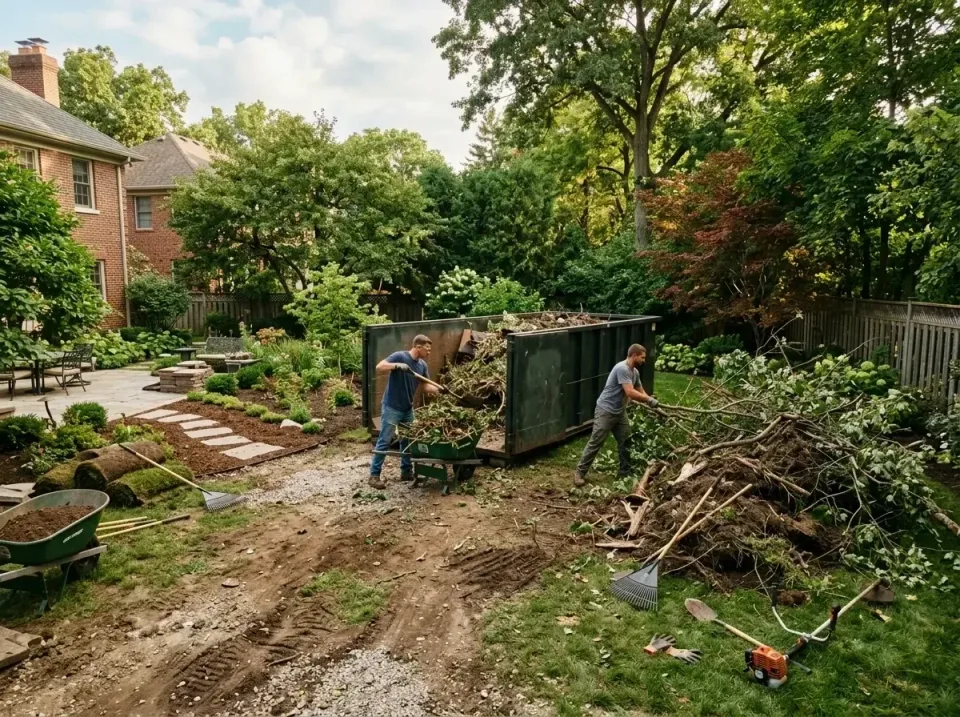
Yard waste dumpsters handle branches, leaves, and storm debris for Lexington homeowners; typical rentals run $300–$600, depending on debris volume and rental days.
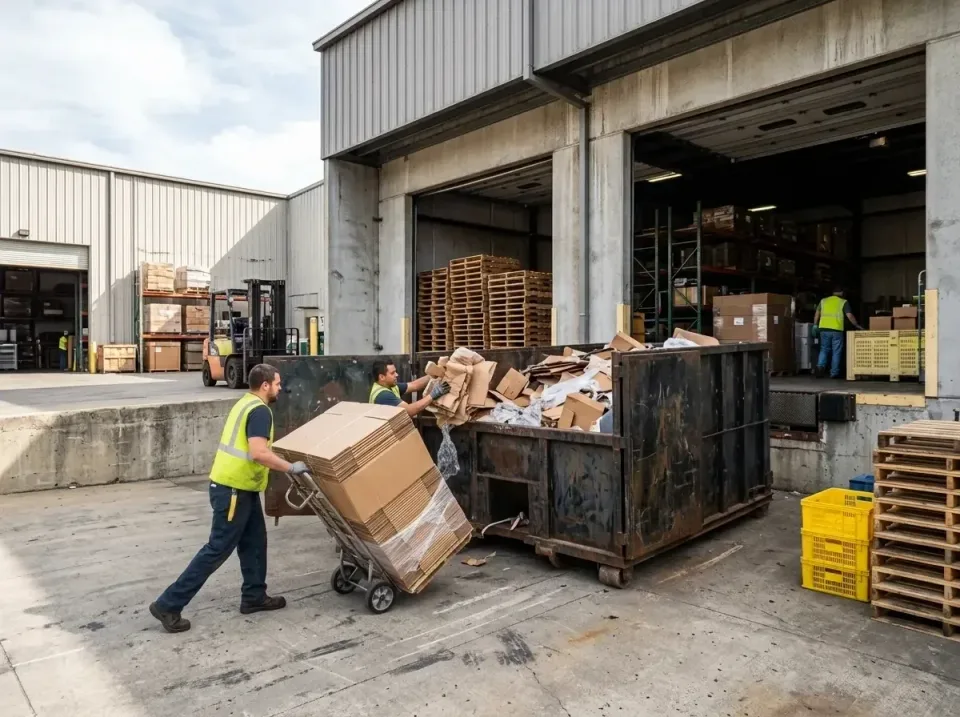
Industrial sites can rent containers for mixed debris and scheduled haul-away; typical projects run about $450–$900, with weight and access affecting cost.
Concrete debris dumpsters take broken slabs and masonry from home or contractor projects; typical rentals run $300–$700, driven by heavy-material weight limits.
Temporary containers handle short-term cleanup for homeowners and contractors. A concrete dumpster needs careful weight planning; size, access, debris, and rental days affect cost.
Apartment managers can rent open-top containers for tenant move-outs and shared-area cleanouts; the right size and rental days shape the total.
Construction debris dumpsters handle remodel scraps, lumber, drywall, and masonry; a 20-yard rental typically runs $350–$650, driven by debris weight and delivery distance.
Dumpster delivery and pickup for Lexington jobs, with a roofing dumpster sized to the debris and budgeted at $350–$750 based on shingle weight and haul distance.
Disaster cleanup dumpsters contain storm and demolition debris for homes or job sites; typical rental costs depend on container size, debris weight, and haul distance. Typical average: $375.
Event cleanup for homeowners, venues, and organizers, with a yard-waste container for outdoor gatherings; cost depends on debris type, weight, and rental days. Typical average: $375.
Recycling dumpster rentals give Lexington homeowners and contractors an open-top container for sorted materials; concrete dumpster pricing is typically $300–$700, shaped by heavy-material limits.
Heavy material bins handle dense concrete and masonry for Lexington projects; a concrete dumpster typically runs $300–$700, depending on weight limits.
Property managers and homeowners use a property cleanout container for furniture, appliances, and household debris; cost depends on load weight, access, and rental days. Typical average: $375.
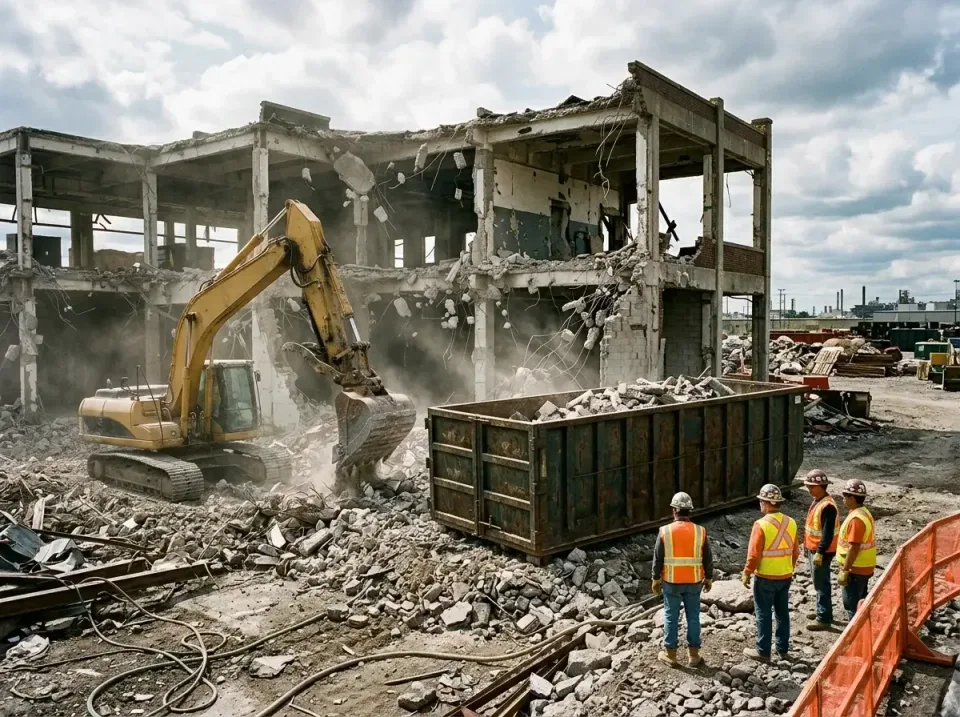
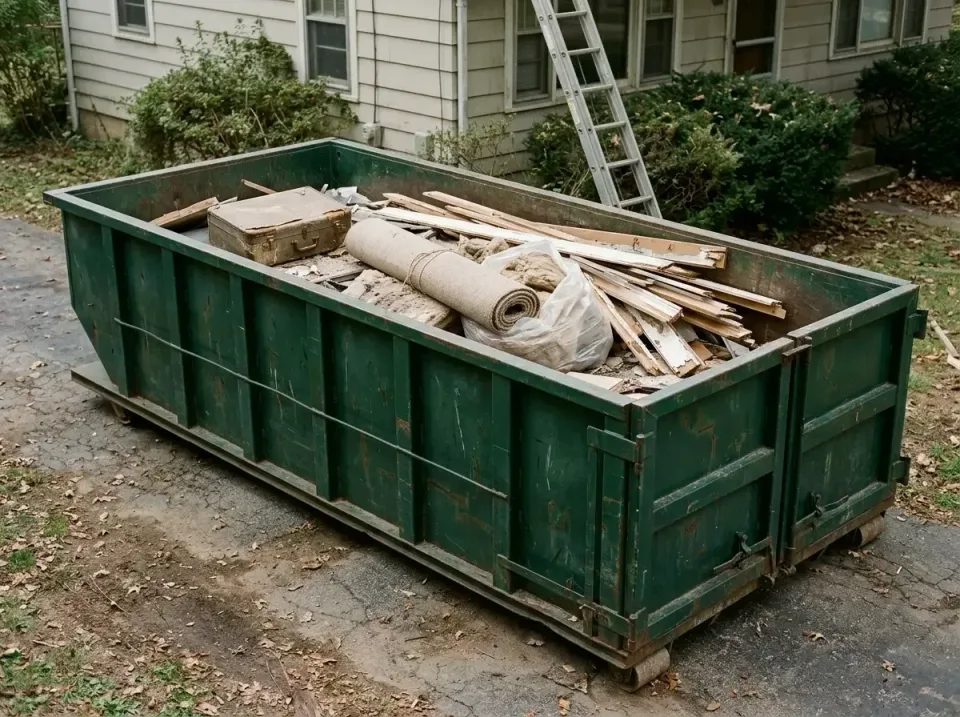
Demolition Dumpster Rental gives crews an open-top container for material removed during a building tear-out. We match capacity and tonnage allowance to the planned debris; clean concrete is much heavier than mixed construction material, so combining them can exceed a container’s limit. Clear scope first.
Near the Kentucky Theatre, demolition debris still needs a safe, accessible placement plan. Construction and demolition debris means material generated by building, renovation, or teardown work; separating reusable material from the load can affect disposal handling.
A Dempster-Dumpster is a trade name sometimes used for a roll-off container, not a separate disposal method, so confirm the actual container and service terms before booking. Variable winter snowfall can also change site access and placement conditions.
We review the material, site access, and intended schedule before confirming a container. For a practical scope review, call (844) 606-1601.
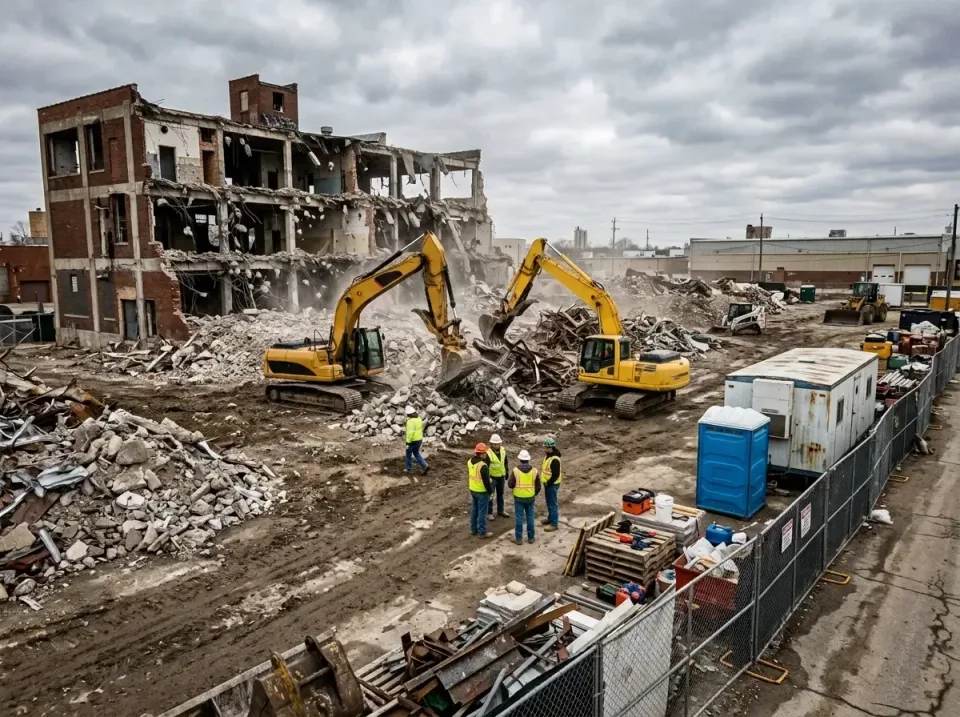
Demolition debris delaying final cleanup often means the container plan did not match the tear-out. Broken framing, plaster, and masonry fill space at different rates, and a container that is too small can leave material in the work area. Check the debris pile’s length and height before estimating volume; do not climb onto unstable material.
Renovation debris blocking the driveway can also prevent crews and delivery trucks from reaching the work zone. We check the planned placement and truck path before scheduling, then confirm whether the load can be handled in one container.
Lexington’s spring thunderstorms can complicate exposed job-site access, so keep the delivery area clear and avoid placing debris where runoff collects. A landfill tipping fee is a disposal charge tied to the waste delivered, not simply the container’s size; ask which disposal charges the quote includes.
For street placement, confirm the Lexington-Fayette right-of-way permit requirements with the Lexington-Fayette Urban County Government. Bring us in when the debris scope or access plan is holding up the teardown.
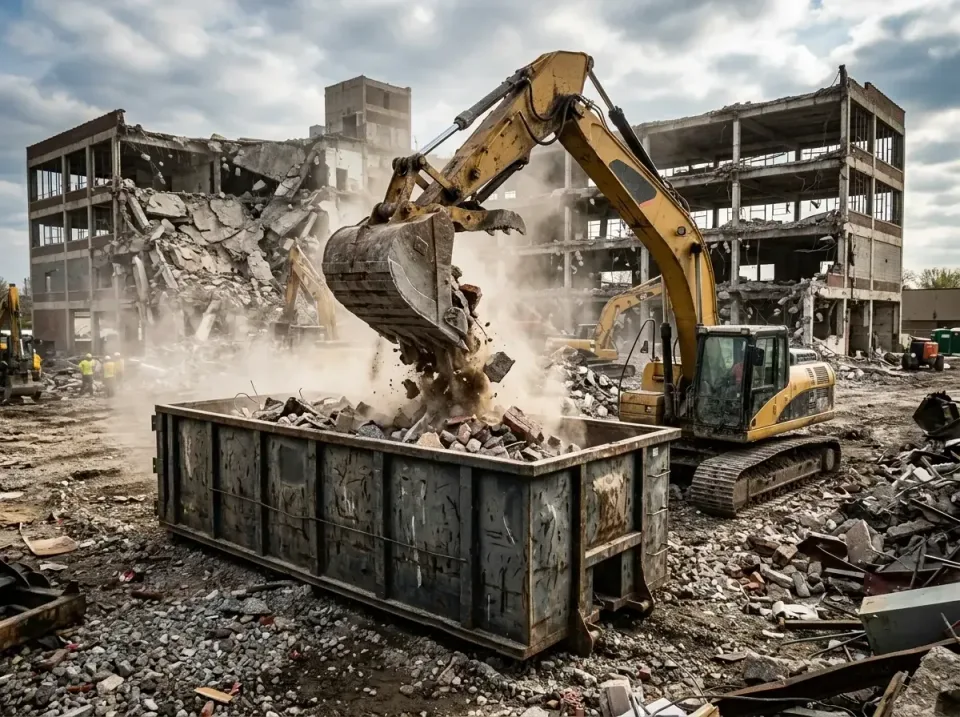
First, confirm the delivery window and pickup date against the demolition schedule. That gives the crew a clear placement target and helps prevent the container from arriving before the work area is ready.
Clear the driveway before arrival, including parked vehicles and loose material, so the truck has room to place the container. At Fayette Mall or a home in Bryan Station, the specific site not the neighborhood name determines whether access and clearance are sufficient.
Keep the demolition load below the container’s fill line; material above the rim can require unloading before transport. If the container is nearing capacity before the planned pickup, request a swap-out early rather than stacking debris beside it.
Variable winter snowfall can narrow usable access, so recheck the route and landing area before delivery. We coordinate the placement details with you; USA Dumpster Bins has the local service information for the next step.

A demolition pile near the University of Kentucky can look manageable until heavy masonry is mixed through lighter framing. Our crew checks material and placement before dispatch, rather than relying on a guess based on the pile’s footprint.
Scrap metal is a distinct material that may be sorted separately from the main demolition load; tell us if the project includes it so we can discuss handling before loading. Municipal solid waste is a different waste category from construction debris, and mixing household trash into a job-site container can affect acceptance at disposal facilities.
The Construction & Demolition Recycling Association promotes recovery practices for this waste stream; separating suitable material at the site can support more responsible handling. Hot humid summers can make long outdoor sorting sessions uncomfortable, so plan a shaded, safe staging area instead of rushing the load.
We explain scope limits and disposal questions before the work begins. For Lexington projects, our dumpster rental team can review the job details.
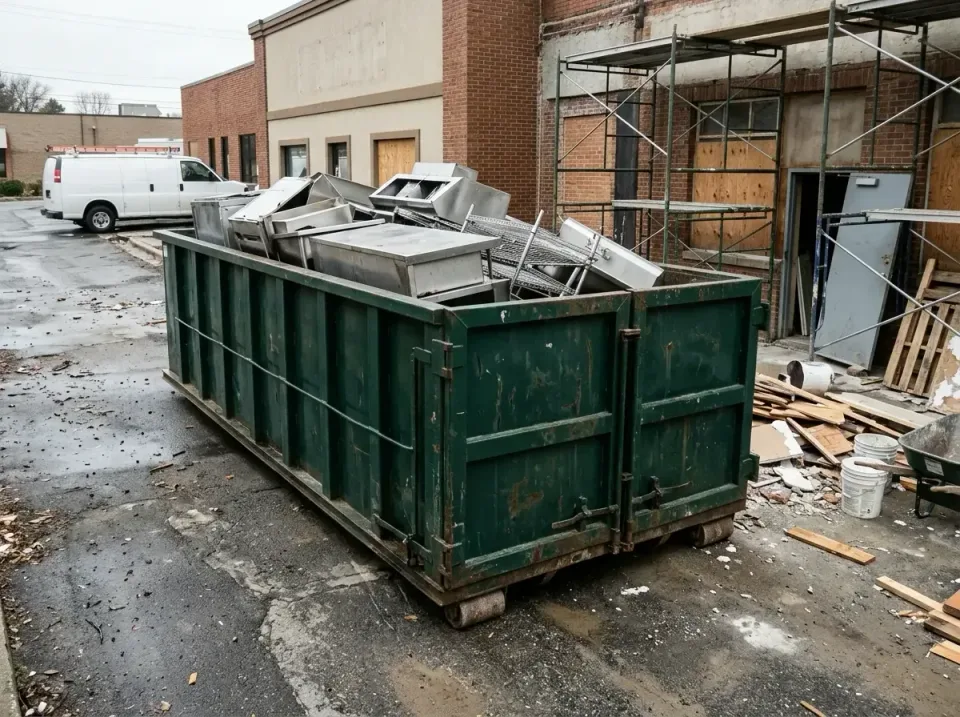
A demolition quote changes most when dense material takes up less space than its weight suggests. A concrete dumpster commonly runs $300–$700, with heavy-material weight limits shaping the final estimate; separate clean concrete from mixed debris when possible.
For roofing material from a teardown, a roofing dumpster may run $350–$750, with shingle weight and haul distance affecting the charge. A 30-yard container is about 22 × 8 × 6 feet, so measure the intended placement and check overhead clearance before choosing that footprint.
Lexington’s humid subtropical climate makes covered, stable staging useful during hot weather, but site access still determines whether a truck can place the box safely. Estimates vary by location, rental duration, debris weight, access, and disposal fees; final quotes depend on project scope and site conditions. Call (844) 606-1601 for a final quote matched to the demolition scope.
Pricing
Choose a container size based on the demolition debris and site needs.
$250
A 10-yard rental can suit a smaller demolition cleanup with limited debris. Tell the team what materials you expect to discard and how long the work may take, so the rental period and local disposal needs can be considered when discussing the package.
Average
$375
A 20-yard container can be considered for a home renovation or a demolition job with a moderate amount of debris. Share the materials and expected work schedule so the team can discuss container fit, rental duration, and disposal requirements for your Lexington site.
$500
A 30-yard container may fit larger demolition work with more debris to remove. The right package depends on the materials, site access, and expected schedule; confirm those details with the team, including any special handling needs, before settling on a container size. Estimates vary by location, rental duration, debris weight, access, and disposal fees; final quotes depend on project scope and site conditions.
This is a typical figure, not the final quote.
For demolition cleanup, compare the material pile with container capacity; a 20-yard container holds about 20 cubic yards, and junk removal is crew-loaded rather than self-loaded; call USA Dumpster Bins at (844) 606-1601 to review your job.
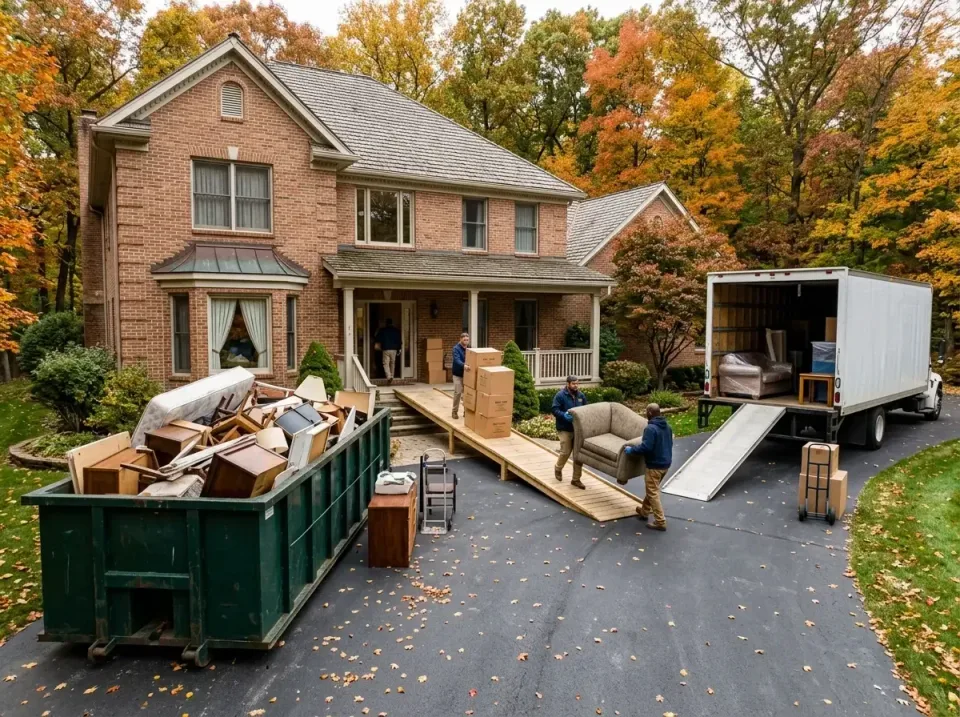
An open-top dumpster lets a demolition crew load material over the sides, which can be practical for bulky tear-out debris. Confirm that the planned material is acceptable and keep hazardous waste out unless the disposal plan specifically allows it.
For demolition work, roll-off service places a wheeled container at the agreed site and hauls it away after loading. Share the debris type and access details so the container and disposal plan suit the job.
Yes, a temporary dumpster can hold demolition material during a defined project period, provided the container placement and waste are approved for the site. Ask about the rental term and arrange pickup before the work area needs to be cleared.
A demolition rental dumpster is generally intended for accepted construction and demolition debris, but disposal rules can exclude certain items. Sort out hazardous materials, batteries, and tires before loading, and confirm uncertain items with USA Dumpster Bins.
Demolition dumpster waste is hauled to a receiving or disposal facility based on the material and its acceptance rules. Ask how clean concrete, mixed debris, and recyclable material will be handled before your container is loaded.
Select your region to see local best dumpster rental and trash removal providers and cities we cover.
Recent best dumpster rental and trash removal project photos.