Dumpster Rental for Estate Cleanouts: Step-by-Step Guide
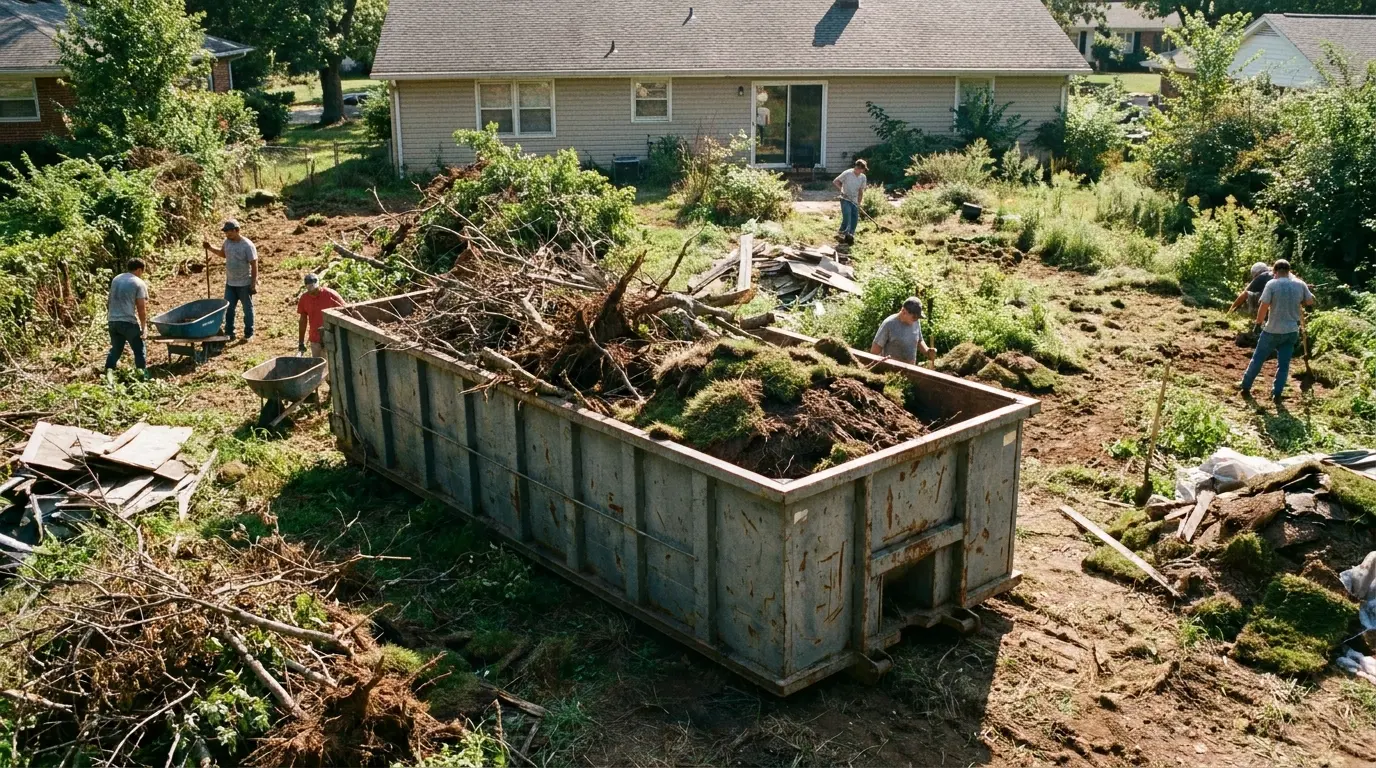
Why a Step-by-Step Guide to Dumpster Rental for Estate Cleanouts Matters for Property Owners
Clearing out a loved one’s home is hard enough without sorting trash logistics. A rental dumpster keeps the project on track. But one wrong size or a missed permit can stall the whole job. National demand for dumpster rentals spikes during estate cleanouts, spring cleaning, and renovation projects. The biggest variables across the US are local permit rules and landfill fee differences. For example, many cities require a street obstruction permit before you place a dumpster on public property. State agencies like CalRecycle in California regulate disposal of construction debris. Hazardous waste must be separated and taken to certified facilities. Landfill bans on mattresses, electronics, or tires vary by county. Weight limits on dumpsters are enforced to protect roads—overage fees are standard. Get the steps right, and the cleanup moves fast. Skip them, and you face delays and added costs. Start with a call to Dumpster Bins Rental to discuss your situation.
Step 1: Assess What You’re Throwing Away
Start by walking through the property. Separate ordinary household trash from items that need special handling. Common estate cleanout waste includes old furniture, clothing, books, and kitchen items. But you will also find mattresses, electronics, tires, and maybe paint cans. Many counties ban these from standard landfills. In New York, for instance, mattress disposal requires a specific drop-off or recycling service. In Oregon, electronics must go to e-waste centers. Check with your local public works department or state environmental agency. The National Waste & Recycling Association (NWRA) offers guidance on proper disposal. Knowing what you have helps you pick the right dumpster and avoid rejection at the landfill.
Landfill bans on mattresses, electronics, and tires are common. Check your county rules before you load.
Step 2: Choose the Right Dumpster Size
Dumpster sizes range from 10 to 40 cubic yards. For a typical three-bedroom house, a 20-yard container usually handles the job. A small apartment or garage cleanout might need only 10 yards. A full estate with lots of bulky furniture may require 30 yards. Weight limits matter too. A 20-yard dumpster often allows about 3 tons. Mixing in heavy debris like concrete or dirt eats up that weight fast. In states like Colorado or Nevada, landfill fees per ton are higher, so overage charges add up. Talk to your rental company about your specific load. They can recommend the right size based on the home’s contents and local tipping fees. Dumpster Rental in Florida and Dumpster Rental in Texas (if available) are good examples where seasonal demand and local fees vary.
Step 3: Check Permit Requirements
Many cities demand a street obstruction permit if the dumpster sits on public property. Even if you place it on your driveway, some homeowners associations (HOAs) have rules. In downtown areas or narrow streets, permits are almost always required. Call the local public works department or check the city website. In California, the California Environmental Protection Agency (CalEPA) regulates waste, but permits come from the municipal police or traffic division. Fire departments also weigh in if the dumpster blocks a hydrant or fire lane. Permits often cost $25 to $100 and can take a few days. Plan ahead—don’t order the dumpster until you know the permit timeline. If you skip the permit, you risk fines or having the dumpster removed mid-job.
Step 4: Understand Prohibited Items
You cannot put just anything in a rental dumpster. Hazardous waste—paint, solvents, batteries, pesticides, asbestos—must be separated and disposed of at certified facilities. Some companies accept certain items for an extra fee. Tires, electronics, and appliances with refrigerants (like refrigerators) often require special handling. In Massachusetts, for example, the Department of Environmental Protection bans these from standard dumpsters. In Minnesota, electronics are banned from landfills entirely. Your rental contract will list prohibitions. Ignoring these rules can result in the dumpster not being picked up, or you paying additional disposal fees. Ask your provider for a clear list before you start loading.
Step 5: Schedule Drop-Off and Pickup Smartly
Time your rental to match the workload. Most companies offer 7 to 14 day rental periods. Spring and summer are peak seasons—book early to guarantee availability. In northern states like Minnesota or Maine, winter weather can slow down pickup if roads are icy. In southern states like Florida, hurricane season might affect scheduling. Noise ordinances in many cities restrict drop-off and pickup hours to daytime. Confirm your rental company’s schedule and any local noise rules. If you fill the dumpster faster than expected, you can often request an early pickup for an extra fee. Plan for a few extra days to avoid rush charges.
Step 6: Load the Dumpster Efficiently
Pack the dumpster smart to maximize space and avoid overage fees. Break down boxes and furniture. Lay flat items first, then stack bulky pieces. Do not overfill—the load must be level with the top of the dumpster. Overfilled containers can’t be legally transported and may require a second pickup. Also, distribute weight evenly. In states like Colorado, highway patrol checks overweight loads. If your load exceeds the weight limit, you will pay overage fees per ton. Use a tarp if the weather is rainy or windy to keep lighter debris from blowing out. Loading efficiently saves you money and keeps the job on schedule.
Step 7: Final Check and Pickup
Before calling for pickup, do a last walkthrough. Make sure no prohibited items remain in the pile. Verify the dumpster isn’t overfilled. Check for any debris that fell on the ground—clean up the area. Then call your rental company to schedule pickup. In some places like Ohio or Pennsylvania, landfill fees fluctuate monthly, so your final bill may vary from the estimate. Confirm the total cost when you arrange pickup. Once the dumpster is gone, the site should be clean. If you need another dumpster for a different part of the estate, most companies offer quick turnaround.
The Bottom Line on Dumpster Rental for Estate Cleanouts
Renting a dumpster for an estate cleanout saves time and stress—when you know the steps. Assess the waste, choose the right size, secure permits, and follow disposal rules. Local conditions change the answer: permit rules differ by city, landfill fees vary by region, and seasonal demand spikes in spring and summer. Ignoring these details leads to delays, fines, or extra charges. Start with a call to Dumpster Bins Rental to discuss your project. We’ll help you match the right container to your load, check local permit requirements, and schedule drop-off and pickup. Whether you’re in California, Florida, or anywhere else in the US, proper planning makes the cleanup simpler. Get the dumpster that fits the job.
Frequently Asked Questions
What size dumpster do I need for an estate cleanout?
Can I put old mattresses and electronics in the dumpster?
Do I need a permit to place a dumpster on my driveway?
How long can I keep the dumpster?
What happens if I fill the dumpster past the top?
Explore All Services
Browse all nationwide service options and choose the right fit for your project.
Nationwide roll-off dumpster rental for cleanouts, construction, and more. Delivery, permits, and fees vary by market and property type. Get a quote.
Call NowNationwide construction debris removal for homes and businesses. Delivery and pricing vary by market, local codes, and property type. Get a quote today.
Call NowConcrete dumpster rental nationwide from Dumpster Bins Rental. Delivery varies by market, code rules, and property type. Get a free quote today.
Call NowYard waste disposal services across the US. Delivery varies by local codes, permits, and property type. Get a quote today.
Call NowNationwide roofing tear-off dumpster service from Dumpster Bins Rental. Delivery varies by market, local codes, and property type. Get a quote today.
Call NowNeed a house cleanout dumpster? We deliver across the US. Availability and rules vary by market and property type. Get a quote today.
Call NowRent a basement cleanout dumpster nationwide. Pricing varies by market, code rules, and property type. Get a fast, local quote today.
Call NowGet a Garage cleanout dumpster for your project. Delivery times and permit rules vary by city and property type. Contact us for a quote.
Call NowAffordable estate cleanout dumpster nationwide. Delivery varies by local code, property type, and market. Get a quote for your area today.
Call NowGet a renovation debris dumpster for your project. Prices vary by market, local codes, and property type. Check availability in your area today.
Call NowGet nationwide commercial dumpster service from Dumpster Bins Rental. Delivery, pricing, and permit rules vary by market and property type. Request a quote today.
Call NowNationwide residential dumpster rental for cleanouts and renovations. Delivery, pricing, and permits vary by market and property. Request a quote.
Call NowRent a heavy debris dumpster nationwide. Pricing varies by market, local codes, and property type. Call Dumpster Bins Rental for a quote.
Call NowNationwide mixed waste dumpster rental. Get a dumpster for residential cleanouts, construction debris, and more. Pricing and rules vary by market. Request a quote.
Call NowTemporary dumpster rental for cleanouts, construction, and waste disposal. Delivery varies by market, code rules, and property type. Get a quote today.
Call NowNeed same day dumpster delivery across the US? Dumpster Bins Rental provides fast service, but delivery times depend on local permits, property access, and waste rules. Get a qu...
Call NowBrowse by State
Choose your state or region to find local service coverage pages.
Need Nationwide Dumpster Rental?
We connect you with trusted local providers in your state or city. Call or email us today.